England Nhs
Add a reviewOverview
-
Sectors Health Care
-
Posted Jobs 0
-
Viewed 118
Company Description
NHS: Belonging in White Corridors
Within the bustling halls of an NHS hospital in Birmingham, a young man named James Stokes carries himself with the measured poise of someone who has found his place. His oxford shoes move with deliberate precision as he acknowledges colleagues—some by name, others with the comfortable currency of a “how are you.”
James displays his credentials not merely as an employee badge but as a symbol of inclusion. It rests against a pressed shirt that offers no clue of the tumultuous journey that preceded his arrival.

What sets apart James from many of his colleagues is not visible on the surface. His bearing discloses nothing of the fact that he was among the first recruits of the NHS Universal Family Programme—an initiative created purposefully for young people who have experienced life in local authority care.
“I found genuine support within the NHS structure,” James explains, his voice measured but carrying undertones of feeling. His observation encapsulates the heart of a programme that seeks to reinvent how the vast healthcare system views care leavers—those vulnerable young people aged 16-25 who have graduated out of the care system.
The figures reveal a challenging reality. Care leavers commonly experience poorer mental health outcomes, money troubles, shelter insecurities, and reduced scholarly attainment compared to their age-mates. Behind these cold statistics are individual journeys of young people who have maneuvered through a system that, despite genuine attempts, regularly misses the mark in offering the stable base that shapes most young lives.
The NHS Universal Family Programme, initiated in January 2023 following NHS England’s promise to the Care Leaver Covenant, signifies a profound shift in organizational perspective. At its heart, it recognizes that the whole state and civil society should function as a “collective parent” for those who have missed out on the stability of a conventional home.
Ten pathfinder integrated care boards across England have charted the course, establishing frameworks that rethink how the NHS—one of Europe’s largest employers—can extend opportunities to care leavers.
The Programme is detailed in its strategy, initiating with comprehensive audits of existing procedures, forming governance structures, and securing senior buy-in. It acknowledges that effective inclusion requires more than lofty goals—it demands practical measures.
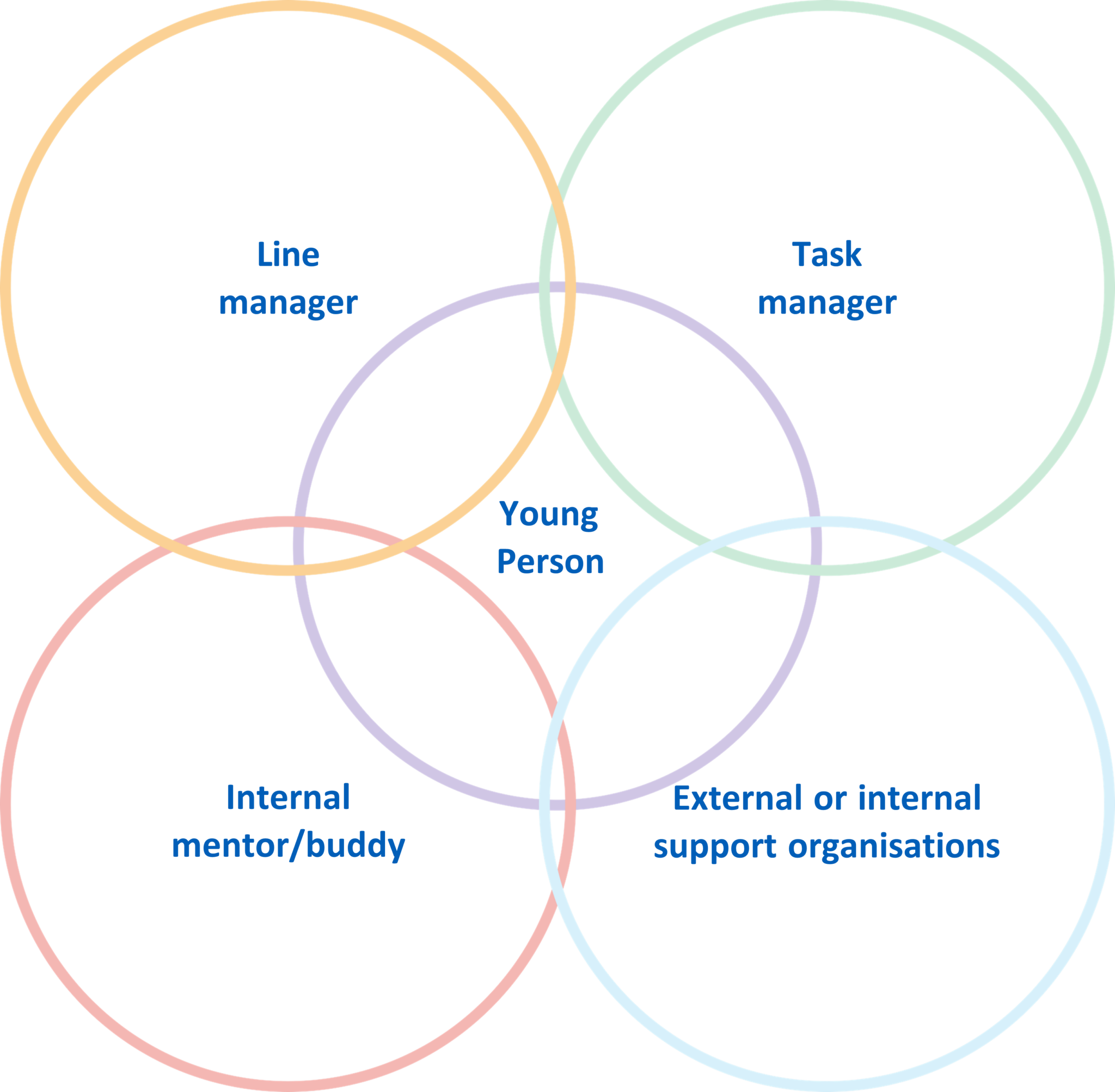
In NHS Birmingham and Solihull ICB, where James found his footing, they’ve developed a reliable information exchange with representatives who can offer support, advice, and guidance on wellbeing, HR matters, recruitment, and equality, diversity, and inclusion.
The standard NHS recruitment process—formal and possibly overwhelming—has been thoughtfully adapted. Job advertisements now focus on character attributes rather than extensive qualifications. Application processes have been reimagined to consider the specific obstacles care leavers might face—from lacking professional references to facing barriers to internet access.
Maybe most importantly, the Programme acknowledges that starting a job can pose particular problems for care leavers who may be managing independent living without the safety net of familial aid. Matters like commuting fees, identification documents, and bank accounts—considered standard by many—can become substantial hurdles.
The brilliance of the Programme lies in its attention to detail—from outlining compensation information to offering travel loans until that critical first salary payment. Even seemingly minor aspects like coffee breaks and workplace conduct are deliberately addressed.
For James, whose career trajectory has “revolutionized” his life, the Programme offered more than work. It offered him a sense of belonging—that intangible quality that develops when someone is appreciated not despite their past but because their unique life experiences enriches the organization.
“Working for the NHS isn’t just about doctors and nurses,” James comments, his expression revealing the subtle satisfaction of someone who has discovered belonging. “It’s about a collective of different jobs and roles, a family of people who genuinely care.”
The NHS Universal Family Programme exemplifies more than an work program. It stands as a bold declaration that institutions can evolve to welcome those who have navigated different paths. In doing so, they not only transform individual lives but enrich themselves through the special insights that care leavers bring to the table.
As James moves through the hospital, his involvement subtly proves that with the right help, care leavers can thrive in environments once considered beyond reach. The arm that the NHS has provided through this Programme symbolizes not charity but acknowledgment of hidden abilities and the profound truth that everyone deserves a family that believes in them.