

Fascia And Gutter Replacement
Add a reviewOverview
-
Sectors Telecommunications
-
Posted Jobs 0
-
Viewed 79
Company Description
The 9 Things Your Parents Teach You About Soffit And Fascia Replacement
Soffit and Fascia Replacement: Everything You Need to Know
When it pertains to home Eaves Maintenance and improvement, numerous property owners frequently overlook specific components that can considerably affect the structure and aesthetics of their homes. Amongst these elements are the soffit and fascia, 2 essential aspects of your roofing system that are worthy of attention. This post will explore the importance of soffit and fascia, indications that they require replacement, the products offered, the process of replacement, and often asked questions.
Understanding Soffit and Fascia
Before discussing replacement, it’s important to understand what soffit and fascia are and their roles in your home.
-
Soffit: This is the underside surface area of your roofing’s overhang. It serves as a barrier to make sure that the attic remains aerated, avoiding wetness build-up and subsequent damage.
-
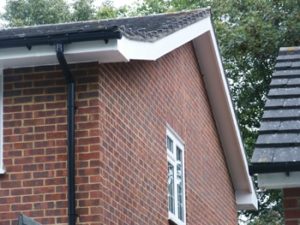
Fascia: This is the long board that runs along the edge of your roofing. The fascia functions as a protective layer and is normally where gutters are attached. It safeguards the roof’s interior and the rafters from weather condition components.
Why Soffit and Fascia Matter
Both soffit and fascia serve important functions in preserving the stability of your home. Here’s a breakdown:
| Function | Soffit | Fascia |
|---|---|---|
| Ventilation | Permits air blood circulation to prevent moisture | N/A |
| Protection | Prevents bugs and water invasion | Shields roof rafters from weather damage |
| Aesthetic Appeal | Matches roofing style | Enhances the overall appearance of the home |
| Gutter Support | N/A | Houses rain gutters to gather and divert water |
Indications Your Soffit and Fascia Need Replacement
Soffit And Fascia Replacement and fascia can deteriorate with time due to weather conditions, pests, and regular wear and tear. Here are some indication that show it’s time for replacement:
- Visible Damage: Look for cracks, holes, or peeling paint.
- Moisture Issues: Signs of mold or mildew can suggest moisture accumulation.
- Bug Infestations: Unwanted animals like birds and pests frequently live in damaged soffits.
- Gutter Problems: If your rain gutters are sagging or retreating from the fascia, it may suggest underlying damage.
- Contorting or Buckling: If the wood appears warped or misshapen, it’s time to think about replacement.
Products for Soffit and Fascia Replacement
When it comes to changing soffit and fascia, house owners have several product options to pick from. Each product has its own advantages and drawbacks:
| Material | Advantages | Downsides |
|---|---|---|
| Vinyl | Low maintenance, resistant to rot and pest damage | Can end up being fragile in extreme temperatures |
| Aluminum | Lightweight, durable, and resistant to rust | Can be dented easily, limited color options |
| Wood | Classic appearance, simple to paint | Requires routine maintenance and treatment |
| Fiber Cement | Extremely resilient, fire-resistant | Much heavier and might need customized installation |
The Replacement Process
Replacing your soffit and fascia can be a fulfilling task, but it typically requires a good mix of abilities and tools. Here’s a step-by-step guide on how to tackle it:
- Assess the Area: Inspect the current soffit and fascia for damage.
- Choose the Material: Select the material best suited for your needs and budget.
- Gather Tools: Tools might include a ladder, saw, measuring tape, nail weapon, putty knife, and paint (depending upon the material).
- Remove Old Sofit and Fascia: Carefully separate the existing materials, making sure not to harm surrounding locations.
- Install New Fascia: Begin with the fascia board, cutting it to size and protecting it in location.
- Set Up New Soffit: Fit the soffit in location, ensuring correct ventilation holes are preserved.
- Ending up Touches: If appropriate, paint or complete the set up materials as wanted.
Frequently Asked Questions
1. How frequently should soffit and fascia be changed?
The life expectancy of soffit and fascia generally varies from 20 to 50 years depending on the product utilized and the regional climate. Regular examinations can assist determine when replacement is required.
2. Can I change soffit and fascia myself?
While DIY is possible, it needs a great degree of skill and knowledge of roof. If you are not sure, working with a professional is advisable.
3. What is the average expense of soffit and fascia replacement?
Costs will vary depending on material choice, labor, and local market conditions. Normally, property owners can expect to pay between ₤ 1,500 to ₤ 3,000 for a total replacement.
4. Will new soffit and fascia improve my home’s energy effectiveness?
Yes! Correctly installed soffit can improve ventilation, lowering wetness in the attic, enhancing energy effectiveness in your house.
5. How do I maintain my new soffit and fascia?
Routine examinations for damage, cleaning up seamless gutters, and repainting (if wood) are exceptional practices to extend the life of your Soffit Replacement and fascia.
Soffit and fascia might frequently go unnoticed, yet their function in keeping your home’s structural integrity and aesthetic appeal is essential. By recognizing the signs of wear and comprehending your alternatives for replacement, you can assist protect your financial investment. Whether you select to dive into a DIY project or enlist the help of specialists, ensuring that your soffit and Fascia And Soffit stay in leading condition is a beneficial venture that can improve your home for many years to come.