

Gutter Replacement
Add a reviewOverview
-
Sectors Health Care
-
Posted Jobs 0
-
Viewed 30
Company Description
9 Lessons Your Parents Taught You About Guttering Installation
Guttering Installation: A Comprehensive Guide
When it comes to preserving the integrity of a home, few components are as crucial as a well-functioning gutter system. Guttering plays an important function in carrying rainwater away from the structure, securing the structure, walls, and total landscape of a property. This article aims to provide a thorough appearance at guttering installation, covering different types, materials, and important suggestions for an effective setup.
Understanding Guttering Systems
Before diving into installation, it’s essential to understand the various kinds of Reliable Guttering systems available. The primary types include:
| Type | Description | Pros | Cons |
|---|---|---|---|
| K-style Gutter | The most typical design, formed like a capital “K”. | High capacity, elegant appearance | Can be susceptible to obstructing |
| Half-round Gutter | Semi-circular shape, frequently discovered in older homes. | Visually pleasing, easy to tidy | Lower capacity, more pricey |
| Box Gutter | A flat, rectangular gutter, typically concealed in the roof. | Non-visible installation, handles heavy circulation | Requires Experienced Guttering installation |
| Seamless Gutter | Constant lengths of gutter, typically made on-site. | Fewer leaks, customized lengths | Higher preliminary cost |
Factors Influencing Gutter Selection
When selecting the ideal gutter type, consider the following:
- Climate: Areas with heavy rains or snow require a more robust system.
- Roof Pitch: Steeper roofings may require larger gutters.
- Home Style: The visual appeal of the gutter ought to complement your home’s architecture.
- Spending plan: Different materials and designs come at various rate points.
Important Gutter Materials
The product of your gutters substantially affects their toughness and maintenance. Typical products consist of:
| Material | Description | Toughness | Maintenance | Cost |
|---|---|---|---|---|
| Vinyl | Light-weight plastic product that resists corrosion. | Moderate | Low | Low |
| Aluminum | Light-weight, rust-resistant, readily available in various colors. | High | Medium | Medium |
| Copper | A premium metal that establishes a patina over time. | Very High | Medium | High |
| Steel | Strong and durable, however prone to rust without treatment. | High | High | Medium |
Picking the Right Material
When choosing a material, think about:
- Budget restrictions: Vinyl is typically the least costly, while copper is a high-end option.
- Sturdiness requirements: Copper and aluminum offer lasting solutions.
- Aesthetic preferences: Copper supplies a distinct appearance, while vinyl comes in several colors to match the home.
Tools and Materials Needed for Installation
Installing gutters needs a particular set of tools and materials. Here’s a list to begin:
Tools
- Ladder: A steady ladder that reaches the required height.
- Drill: For connecting gutters and brackets.
- Saw: To cut gutters to size.
- Level: Ensures an appropriate slope for drainage.
- Measuring Tape: For precise length measurements.
Materials
- Gutters: Choose based upon the type and product selected.
- Hangers/Brackets: To connect Affordable Gutters securely.
- End Caps: For sealing gutter ends.
- Downspouts: Directing water away from the structure.
- Sealant: Preventing leaks at joints.
Installation Steps
Follow these steps for a successful gutter installation:
Step 1: Measure and Plan
- Measure the eaves of the roof where the gutters will be set up.
- Calculate how lots of lengths of gutter and downspouts you’ll need, considering the pitch of the roof for proper drainage.
Action 2: Gather Tools and Materials
Gather all the tools and materials noted above, guaranteeing that whatever is on hand before starting the installation process.
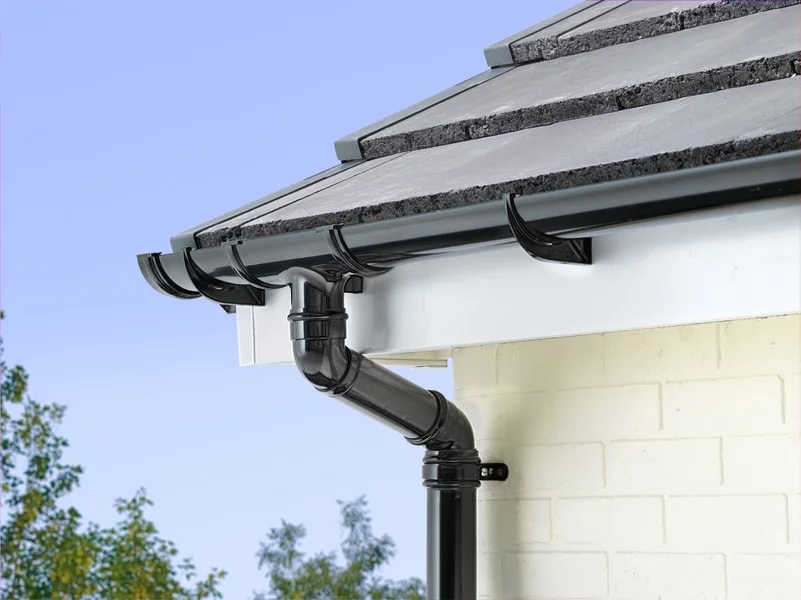
Action 3: Prepare the Area
- Clean the roof and gutters of any debris.
- Inspect the roof for any damage that may require repair before gutter installation.
Step 4: Install the Gutter Hangers
- Mark locations for the hangers, ensuring they are spaced about 24 inches apart.
- Attach the wall mounts according to your measurements.
Step 5: Cut and Fit Gutters
- Cut the gutter lengths to fit in between the hangers.
- Utilize a level to guarantee that the gutters slope toward the downspouts (about 1 inch for every single 10 feet).
Action 6: Secure the Gutters
- Attach the gutters to the wall mounts using a drill.
- Seal joints and corners with a quality sealant to avoid leakages.
Step 7: Install Downspouts
- Connect downspouts at the designated points, guaranteeing they direct water away from the structure.
- Secure with brackets and seal as required.
Step 8: Test the System
- Run water through the gutters utilizing a pipe to look for any leakages or blockages.
- Make any needed changes to ensure correct circulation.
Maintenance Tips
To guarantee longevity and functionality, routine maintenance is key. Here are some suggestions:
- Clean gutters at least twice a year, ideally in spring and fall.
- Check for any rust, damage, or drooping and repair as required.
- Check downspouts for obstructions and guarantee they are directing water far from the structure.
Frequently Asked Questions (FAQs)
1. How often should I clean my gutters?
- It’s normally advised to clean them at least two times a year, but more regularly in locations with heavy foliage.
2. Do I need a professional for installation?
- While DIY installation is possible, working with a Professional Gutters ensures proper alignment and less concerns down the line.
3. What takes place if I don’t set up gutters?
- Without gutters, rainwater can harm the structure, walls, and landscaping, resulting in costly repairs.
4. Can I use the exact same gutters for my house if I add an extension?
- It’s vital to examine the drainage needs of the extension. You may need to include more guttering to accommodate the increased roof area.
5. What maintenance tools do I need?
- A ladder, gloves, a scoop, and a garden hose pipe will help you tidy and keep gutters successfully.
Guttering installation is an essential home improvement job that safeguards your residential or commercial property from water damage. By understanding the types, materials, and installation procedures, homeowners can ensure their gutter systems work effectively and efficiently. Regular maintenance will extend the life of your gutters and keep your home in exceptional condition for several years to come. Whether selecting a DIY approach or working with professionals, a well-installed gutter system is a worthwhile financial investment in home maintenance.