

Wooden Fascias
Add a reviewOverview
-
Sectors Telecommunications
-
Posted Jobs 0
-
Viewed 19
Company Description
The 12 Most Popular Fascia And Soffit Contractor Accounts To Follow On Twitter
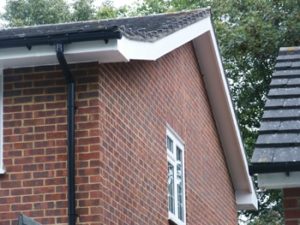
Understanding Fascia and Soffit: The Role of a Contractor
Fascia and soffits play an important role in the total health and longevity of a home’s exterior. They are often the unrecognized heroes that add to the aesthetic appeal and practical integrity of a structure. For house owners seeking to enhance their property, hiring a qualified fascia and soffit contractor is essential. In this post, we’ll dive deep into what fascia and soffits are, their significance, typical products used, and how to choose the best contractor for your project.
What Are Fascia and Soffit?
Fascia
Fascia is a long board that runs horizontally along the edge of the roofline. Its main responsibilities consist of:
- Protecting the roofing system’s edge from various weather components
- Supporting the bottom row of roofing tiles or shingles
- Functioning as an installing area for seamless gutters
Soffit
Soffit describes the panel that connects the outside walls of a home to the roofing system overhang. Its functions consist of:
- Providing ventilation for the attic, helping to avoid moisture build-up
- Safeguarding the rafters from insects and weather damage
- Enhancing the visual appeal of a home by producing a smooth transition from the roofline to the walls
Importance of Fascia and Soffit
The significance of fascia and soffit can be summed up in the following points:
1. Defense Against Elements
Both Fascia Replacement and soffits assist safeguard the underlying structures of a home from rain, snow, and insects. They serve as barriers that avoid water from penetrating the roofing and walls.
2. Ventilation
Appropriately set up soffits ensure that air flows properly through the attic, avoiding wetness build-up and extending the life of roofing products.
3. Curb Appeal
Fascia and soffits can substantially enhance the visual value of a home. Readily available in different colors and products, they can match the general design and style.
4. Structural Integrity
Ignoring fascia and soffit maintenance can lead to structural issues, consisting of wood rot, mold growth, and even pest problems, which can be expensive to repair.
Typical Materials Used
Fascia and Soffit And Fascia Services can be made from a variety of materials, each with its pros and cons. Here’s a comparative table of some typical products:
| Material | Pros | Cons |
|---|---|---|
| Wood | Aesthetic, flexible | Requires regular maintenance, vulnerable to rot and insects |
| Vinyl | Low maintenance, resistant to rot | Less durable, can fade in time |
| Aluminum | Long lasting, lightweight | Can dent easily, might wear away with time if not effectively treated |
| Fiber Cement | Extremely long lasting, resistant to fire | Heavier, more expensive |
Picking the Right Fascia and Soffit Contractor
Choosing a competent fascia and soffit contractor is essential. Here are some factors to consider:
1. Experience and Qualifications
Try to find contractors who have comprehensive experience in setting up fascia and soffit. Examine for pertinent accreditations and licenses.
2. Credibility
Check out reviews and reviews from past clients. A trustworthy contractor will have a solid track record of finishing jobs effectively.
3. Portfolio
Ask to see examples of previous work. An excellent contractor must be able to display a range of styles and surfaces.
4. Insurance and Warranty
Ensure the contractor has general liability insurance coverage and offers warranties on materials and workmanship.
5. Clear Communication
A reputable contractor will communicate freely and Eaves Repair clearly, dealing with any concerns you may have throughout the task.
6. Expense Estimates
Obtain several quotes to compare prices. Watch out for estimates that seem too low; they can indicate below average products or services.
Often Asked Questions (FAQ)
Q1: How typically should fascia and soffit be examined?
A: It’s recommended to inspect fascia and soffit a minimum of when a year, ideally in the fall or spring. Try to find signs of damage or wear, such as peeling paint or signs of rotting.
Q2: Can I install fascia and soffit myself?
A: While DIY installation is possible for those with experience and the right tools, it is frequently best to hire a professional to guarantee appropriate installation and avoid possible problems.
Q3: What are the signs that I require to change my fascia and soffit?
A: Signs of damage consist of staining, warping, drooping, mold growth, and insect invasions.
Q4: How long does it take to install fascia and soffit?
A: The installation timeframe can differ based upon the size of the home and the materials utilized, but generally, it can take anywhere from a couple of hours to a couple of days.
Q5: What elements can impact the expense of fascia and soffit installation?
A: Factors consist of the products you choose, the size of your home, labor expenses in your area, and any essential repairs to underlying structures.
Fascia and soffit are important components of any home’s structure and aesthetic appeals. Understanding their significance and Soffit And Fascia Replacement, Merrill-gregory-5.federatedjournals.com, functions can assist homeowners make notified choices about repairs and renovations. Hiring a certified fascia and soffit contractor guarantees that you get quality work that not just improves your home’s appeal but also safeguards its integrity for many years to come. By considering the ideas and information supplied in this guide, you can embark on your home enhancement task with self-confidence.