

Fascia And Soffit Contractor
Add a reviewOverview
-
Sectors Automotive Jobs
-
Posted Jobs 0
-
Viewed 45
Company Description
9 . What Your Parents Teach You About Fascia Board Repair
Fascia Board Repair: A Comprehensive Guide
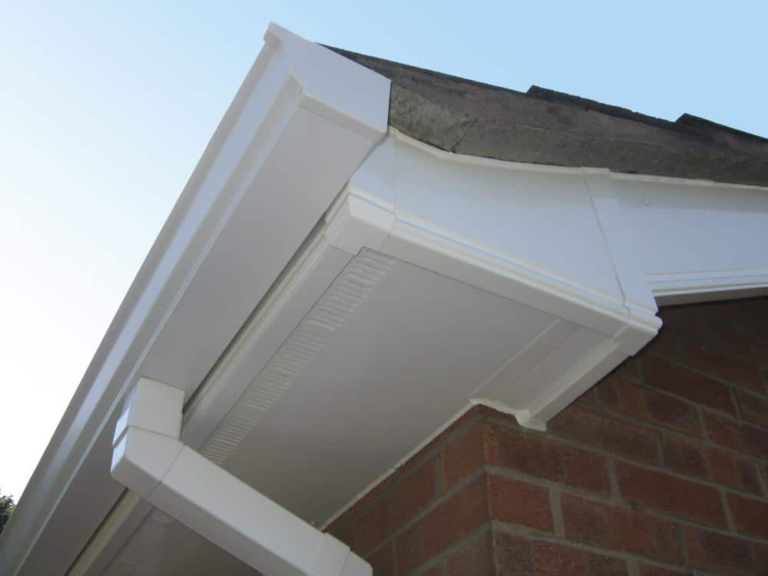
Fascia boards, the horizontal boards that run along the roofline, play a crucial role in protecting your home from water damage, bugs, and other environmental elements. Unfortunately, they can deteriorate gradually due to weather direct exposure, wetness, and overlook. If you’re observing signs of wear and tear, it might be time to consider fascia board repair or replacement. In this detailed guide, we’ll explore the importance of fascia boards, common problems that can occur, and step-by-step guidelines for repairing or changing them.
Understanding Fascia Boards
Fascia boards are typically made from wood, vinyl, or aluminum and are installed at the edge of the roofing system. They support the lower edge of the roofing and function as a barrier between the roofing and the outdoors components. In addition, they provide an ended up want to the Roofline Services and can aid with the installation of seamless gutters.
Typical Issues with Fascia Boards
Before diving into repair methods, it’s vital to recognize the issues that might require repair or replacement. Below is a table that outlines some typical problems associated with fascia boards.
| Problem | Description | Prospective Cause |
|---|---|---|
| Water Damage | Soft, rotting wood or discoloration. | Leaky gutters, poor drain. |
| Bug Infestation | Holes or chew marks on the fascia. | Insects like carpenter bees. |
| Paint Peeling | Flaking or bubbling paint indicates underlying moisture concerns. | Insufficient sealing or weather. |
| Sagging or Warping | A noticeable dip or curve in the fascia board. | Extreme weight from seamless gutters. |
| Mold and Mildew | Dark areas or fungal growth on the surface area. | Excess moisture or bad ventilation. |
Tools and Materials Needed for Fascia Board Repair
Before starting a repair task, ensure you have the right tools and materials. Below is a thorough list:
Tools
- Ladder— To access the roofing quickly.
- Circular Saw— For cutting new fascia boards.
- Hammer— For nails or Soffit and Fascia Services the elimination of existing boards.
- Nails or Screws— To secure the fascia board.
- Pry Bar— To remove rotting boards.
- Measuring Tape— To measure the length of the fascia board.
- Caulk Gun— For sealing gaps.
- Paintbrush— For using protective paint or sealant.
Materials
- New Fascia Boards— Choose between wood, vinyl, or aluminum based upon your needs.
- Sealing Paint— To secure versus moisture.
- Wood Filler— For minor repairs.
- Sealant— To prevent future water seepage.
Step-by-Step Guide to Fascia Board Repair
Repairing fascia boards can be a workable task for the DIY enthusiast. Follow these steps for an effective repair:
1. Inspect the Damaged Area
Start with a thorough inspection of your Fascia And Soffit Specialists boards to recognize the degree of the damage. Try to find indications of rot, insect damage, or water infiltration.
2. Get Rid Of the Damaged Section
Carefully utilize a pry bar to get rid of any decaying or damaged areas. Take care not to harm close-by roof or rain gutters. If the fascia is secured with nails, you may need to pull those out as well.
3. Prepare for Replacement
Measure the length of the damaged fascia and cut a brand-new piece of board to fit. If you’re utilizing wood, think about using a dealt with range to stand up to wetness.
4. Install the New Fascia Board
Align the brand-new fascia board with the existing structure and secure it in location utilizing nails or screws. Guarantee it is level and flush versus the roofline.
5. Seal and Paint
Once installed, use wood filler to any gaps to avoid water infiltration. After the filler has actually dried, paint the brand-new fascia board with a sealant to offer an additional layer of security versus wetness.
6. Last Inspection
After everything has dried, conduct a last inspection. Inspect for any exposed locations that may require additional sealant or paint.
FAQ About Fascia Board Repair
Q1: How typically should I check my fascia boards?
A1: It is a good idea to check your fascia boards at least as soon as a year, especially after heavy storms, to ensure they remain in great condition.
Q2: Can I repair fascia boards myself, or should I work with a professional?
A2: If you have fundamental DIY abilities, you can deal with fascia board repair yourself. However, if the damage is comprehensive or beyond your skill level, hiring a professional is advised.
Q3: What is the average lifespan of a fascia board?
A3: The lifespan of a fascia board differs based upon the product utilized. Wooden fascia boards generally last 10-20 years, while vinyl and aluminum boards can last 20-30 years with proper maintenance.
Q4: How can I prevent future damage to my fascia boards?
A4: Regular maintenance is essential. Keep gutters clean, make sure appropriate drain, and check for indications of wear and tear. Furthermore, applying a water-repellent sealant can help secure versus wetness.
Q5: What are the signs that I require to change my fascia boards?
A5: If you observe drooping, serious rot, significant bug damage, or relentless moisture issues, it might be time to replace your Fascia And Soffit Company boards.
Fascia boards play a crucial role in your home’s structural integrity and looks. Recognizing the signs of damage and addressing them immediately can avoid more comprehensive and pricey repairs down the line. Whether you pick to handle the repair yourself or employ a professional, ensuring that your fascia boards are in ideal condition is essential for a healthy home. Routine examinations, prompt repairs, and preventive maintenance will extend the lifespan of your fascia boards and protect your home for many years to come.