

Handicap Ramp
Add a reviewOverview
-
Sectors Automotive Jobs
-
Posted Jobs 0
-
Viewed 3
Company Description
12 Facts About Ramps For Mobility Scooters To Make You Think Smarter About Other People
Ramps for Mobility Scooters: A Comprehensive Guide
Mobility scooters have ended up being invaluable tools for individuals with mobility challenges, offering a sense of independence and freedom to browse numerous surfaces. Nevertheless, for these scooters to be fully practical in everyday life, making use of ramps is often important. In this post, we will explore various kinds of ramps, their advantages, aspects to think about when choosing the best ramp, and answer some often asked concerns.
Understanding Ramps for Mobility Scooters
Ramps are inclined surfaces that enable mobility scooters to conquer obstacles such as curbs, steps, and thresholds, making it easier and safer for users to access structures, lorries, and outside locations. By supplying a mild slope, ramps lessen the danger of mishaps and increase ease of access for individuals utilizing mobility scooters.
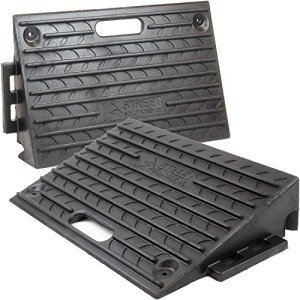
Kinds of Ramps
There are numerous kinds of ramps readily available on the market, and each type serves various requirements. Below is a table that details the various kinds of ramps for mobility scooters:
| Type of Ramp | Description | Perfect Use |
|---|---|---|
| Foldable Ramps | Lightweight and portable ramps that can be folded for easy storage. | Home use, travel, and occasions |
| Fixed Ramps | Long-term ramps made from durable materials. | Accessing buildings or homes |
| Wheelchair Ramps | Developed particularly for people using wheelchairs and scooters. | Public places, homes, and companies |
| Limit Ramps | Brief ramps specifically developed to fit over door thresholds. | Interior or exterior door access |
| Portable Ramps | Easily portable Metal Ramps For Wheelchairs made for temporary use. | Travel and outside occasions |
Advantages of Using Ramps
-
Safety: Ramps reduce the danger of mishaps by supplying a steady incline for mobility scooter users to navigate challenges.
-
Availability: With ramps in place, users can access buildings, cars, and public spaces with higher ease.
-
Self-reliance: Ramps empower people with mobility challenges, enabling them to move freely without counting on help.
-
Versatility: Ramps are available in various sizes and styles, making them appropriate for indoor and outdoor use, in addition to for different terrains.
-
Affordable: By making it possible for much better access, ramps can reduce the requirement for substantial renovations or adjustments to homes or structures.
Elements to Consider When Choosing a Ramp
When picking a ramp for mobility scooters, it’s vital to evaluate a number of factors to guarantee it fulfills the user’s needs effectively. Here’s a checklist of considerations:
1. Weight Capacity
- Make sure the ramp can support the weight of both the mobility scooter and its user. The majority of ramps indicate their optimum weight capacity.
2. Length and Inclination
- Steeper Removable Ramps For Wheelchairs may be more difficult to browse. It’s vital to select a ramp with a suitable length to create a mild slope. The Americans with Disabilities Act (ADA) recommends a ratio of 1:12 for wheelchairs, suggesting that for each inch of increase, there should be at least 12 inches of ramp run.
3. Material
- Ramps are made from numerous products consisting of aluminum, wood, and plastic. Aluminum Wheelchair Ramp ramps are lightweight and long lasting, while wooden ramps may mix much better visually with a home however can be heavy.
4. Mobility
- Think about how typically the ramp will be moved. If mobility is vital, look for foldable or lightweight choices.
5. Surface area Texture
- A non-slip surface area is crucial for security, especially in damp conditions. Look for ramps with textured surfaces or added grip functions.
6. Application Area
- Identify if the Folding Ramp For Wheelchair will be utilized inside your home or outdoors. Outdoor ramps may require to hold up against weather aspects, while indoor ramps ought to fit comfortably in entrances or corridors.
7. Regional Regulations
- Constantly inspect regional building regulations or guidelines concerning ramp installation, particularly for permanent structures.
Frequently Asked Questions (FAQs)
1. How do I know what size ramp I need?
- The size of the ramp required will depend upon the height that needs to be gotten rid of and the readily available area for the ramp. Determining the vertical increase and considering the ADA recommended slope ratio will help identify the correct length.
2. Can ramps be used for other mobility aids besides scooters?
- Yes, ramps can be utilized for various mobility aids, consisting of wheelchairs, walkers, and even strollers.
3. Exist any safety suggestions for utilizing ramps?
- Constantly check that the ramp is safely positioned and steady before use. Motivate users to approach ramps gradually and keep a stable speed when ascending or coming down.
4. How do I preserve my ramp?
- Frequently check the ramp for any signs of wear or damage. Clean them periodically to remove dirt and avoid slipping, and secure any loose hardware.
5. Are there financial help programs for acquiring ramps?
- There are several programs that might assist in acquiring accessibility equipment, including ramps. These might consist of regional grants, federal government assistance programs, or charitable organizations focused on disability assistance.
Ramps for mobility scooters play a substantial function in creating available environments for individuals with mobility difficulties. By understanding the various kinds of ramps available, their advantages, and the factors to think about when choosing a ramp, people and caregivers can make informed choices that boost self-reliance and safety. Whether for home use, public buildings, or travel, the best ramp will ensure that mobility scooter users can maneuver their world with ease, dignity, and self-confidence.